
Choosing the right hypnosis technique can feel overwhelming. There are dozens of methods available, each promising relief from stress, emotional pain, or deep-seated habits, and the research landscape is evolving faster than most people realise. What worked as a general guideline five years ago may now be outpaced by clinical evidence pointing to far more targeted approaches. Whether you are new to hypnotherapy or looking to refine your practice, understanding which techniques are backed by solid research makes all the difference. This article walks you through the most effective hypnosis methods for emotional healing and stress relief in 2026, so you can make a confident, informed choice.
Table of Contents
- How to choose an effective hypnosis technique
- Ericksonian hypnosis: Indirect change with lasting results
- Personalized and single-session hypnosis for stress and resilience
- Hypnosis for chronic pain, tension, and mood enhancement
- VR and tech-enhanced hypnosis: The cutting edge
- Why most people miss out on hypnosis benefits: Our take
- Start your hypnosis journey today
- Frequently asked questions
Key Takeaways
| Point | Details |
|---|---|
| Criteria matter most | Selecting a hypnosis method based on your specific needs leads to better results and greater satisfaction. |
| Evidence backs innovation | Recent studies support newer techniques like personalized and VR-enhanced hypnosis for rapid relief. |
| Hypnosis boosts wellbeing | Proven hypnosis methods reliably reduce stress, chronic pain, and improve mood, especially under guided care. |
| Dispelling myths is key | Understanding the science and safety helps more people benefit from hypnosis for emotional healing. |
How to choose an effective hypnosis technique
Not every hypnosis method suits every person or problem. The first step is matching the technique to your specific goal. Are you managing chronic stress, processing emotional trauma, building resilience, or addressing a physical pain condition? Each of these calls for a different approach, and a skilled practitioner will assess your needs before recommending anything.
One of the most important distinctions in hypnosis is between direct and indirect suggestion. Direct suggestion works well for people who are highly suggestible and open to change. Indirect suggestion, by contrast, is better suited to analytical or resistant individuals because it bypasses the conscious mind’s tendency to argue or dismiss. Understanding your own psychological style helps narrow the field considerably.
Evidence-based practice matters enormously here. Look for techniques supported by randomised controlled trials, meta-analyses, or clinical endorsements. Personalisation is equally critical. A scripted, one-size-fits-all session rarely produces lasting results. The best practitioners tailor every session to the individual.
Technology is also reshaping the field. Virtual reality, audio-guided sessions, and Zoom-based hypnotherapy now make professional support accessible from anywhere. When evaluating a practitioner, ask about their training, their approach to personalisation, and whether they integrate complementary methods like NLP or EMDR.
Here are key criteria to use when evaluating any hypnosis technique:
- Does it match your specific emotional or physical goal?
- Is it supported by peer-reviewed clinical research?
- Does the practitioner personalise sessions rather than follow a script?
- Is the method safe and free from adverse effects?
- Can it be delivered effectively online or remotely?
Pro Tip: Before booking a session, ask your practitioner directly how they tailor their approach to your individual needs. A vague answer is a red flag.
Misconceptions remain a significant barrier. Fear of losing control affects 86% of people who avoid hypnosis, and 33% believe it is outright dangerous, despite strong evidence to the contrary. Education consistently improves attitudes, particularly in clinical settings. Reviewing online hypnotherapy session tips before your first appointment can ease these concerns considerably.
“The biggest obstacle to hypnosis is not a lack of evidence. It is a lack of accurate information reaching the people who need it most.”
Ericksonian hypnosis: Indirect change with lasting results
Ericksonian hypnosis is widely regarded as one of the most sophisticated and adaptable techniques available. Developed by psychiatrist Milton H. Erickson, it relies on metaphors, indirect suggestion, and therapeutic storytelling to guide the subconscious mind toward change without triggering resistance.
This approach is particularly valuable for people who are analytical, sceptical, or have tried direct-suggestion hypnosis without success. Rather than telling the subconscious what to do, Ericksonian hypnosis invites it to find its own solutions. This makes the changes feel natural and self-generated, which tends to make them more durable.
Key features of Ericksonian hypnosis include:
- Use of metaphor and storytelling to reach deeper emotional layers
- Indirect language patterns that bypass conscious resistance
- Highly flexible and adaptable to each client’s unique communication style
- Effective for emotional healing, depression, chronic pain, and IBS
- Compatible with NLP, Timeline Therapy, and regression work
The clinical evidence is compelling. A meta-analysis of 8 RCTs involving 676 participants found a large effect size (SMD=1.17) for Ericksonian hypnosis compared to waitlist controls, with outcomes comparable to cognitive behavioural therapy for pain, depression, and irritable bowel syndrome.
Pro Tip: If you find yourself mentally arguing during a relaxation exercise, Ericksonian hypnosis may suit you far better than direct-suggestion methods. Tell your practitioner.
“Ericksonian techniques work not by overpowering the mind, but by befriending it.”
For emotional healing specifically, the storytelling element creates a safe psychological distance. You process difficult feelings through the narrative rather than confronting them head-on, which reduces overwhelm and increases receptivity. Booking Ericksonian hypnosis sessions with a trained practitioner gives you access to this nuanced, evidence-backed method in a fully personalised format.
Personalized and single-session hypnosis for stress and resilience
Modern life rarely allows for lengthy treatment programmes. This is where personalised, single-session hypnosis has become a genuine breakthrough for busy adults.

Recent research demonstrates that even one tailored hypnosis session can produce measurable physiological and psychological benefits. A study on stressed medical students found that a single personalised session improved executive function (d=0.62, p<0.05), reduced subjective stress and anxiety, increased parasympathetic heart rate variability (HRV) recovery, and suppressed sympathetic stress surges as measured by electrodermal activity. Classification accuracy across biomarkers reached 90%.
These are not minor improvements. Executive function, the ability to plan, focus, and regulate emotions, is one of the first casualties of chronic stress. Restoring it in a single session has profound implications for daily functioning.
| Outcome measured | Result after one session |
|---|---|
| Executive function improvement | d=0.62 (significant) |
| Subjective stress and anxiety | Significantly reduced |
| Parasympathetic HRV recovery | Increased |
| Sympathetic surge (EDA/SCR) | Suppressed |
| Biomarker classification accuracy | 90% |
Here is what makes personalised hypnosis particularly well-suited to modern stress:
- Sessions are built around your specific stressors, not a generic script
- No prior experience with hypnosis is required
- Benefits extend beyond relaxation to measurable cognitive improvements
- Accessible via Zoom, making it easy to fit into a busy schedule
- Effective even for individuals new to hypnotherapy
Exploring the benefits of personalized hypnosis is a practical starting point if you are considering this route. The evidence strongly supports trying it sooner rather than later.
Hypnosis for chronic pain, tension, and mood enhancement
Hypnosis is not only a tool for emotional work. It is increasingly recognised as a clinically valid intervention for chronic pain and mood disturbances.
A recent University of Washington study found that hypnosis reduced pain perception by 19.3% after six weeks in spinal cord injury patients, a population notoriously difficult to treat with conventional methods. The American Psychological Association has endorsed hypnosis as an evidence-based practice for chronic pain management.
On the mood side, hypnotherapy significantly reduces tension, depression, anger, fatigue, and confusion while increasing vigour in cancer patients (p<0.005). These are not trivial quality-of-life improvements. They represent meaningful shifts in daily emotional experience.
| Technique | Best for | Comparison to alternatives |
|---|---|---|
| Clinical hypnosis | Chronic pain, mood | Comparable to CBT, fewer side effects than medication |
| Ericksonian hypnosis | Depression, IBS, emotional healing | Large effect size, equivalent to CBT |
| Personalised single-session | Acute stress, anxiety | Faster onset than traditional therapy |
Here is a practical sequence for using hypnosis for pain or mood:
- Identify whether your primary concern is physical pain, mood, or both
- Choose a practitioner trained in clinical hypnosis and pain management
- Complete an initial assessment session to establish your baseline
- Commit to at least four to six sessions for chronic conditions
- Track your progress using a simple daily mood or pain journal
“Hypnosis does not eliminate pain by numbing the body. It changes the mind’s relationship with the pain signal, which is often far more effective.”
VR and tech-enhanced hypnosis: The cutting edge
Virtual reality is not just for gaming. It is rapidly becoming a meaningful tool in clinical hypnotherapy, particularly for procedural anxiety and pain management.
A meta-analysis of 20 RCTs involving 1,250 participants found that hypnosis reduces anxiety (SMD=0.43) and pain (SMD=0.35) during invasive procedures, with VR-enhanced and individually tailored techniques producing the strongest outcomes.
| Technology | Primary benefit | Best use case |
|---|---|---|
| VR-enhanced hypnosis | Deeper immersion, stronger dissociation | Procedural anxiety, phobias |
| Audio-guided hypnosis | Accessible, repeatable | Daily stress management, sleep |
| Zoom-based sessions | Personalised, flexible | Emotional healing, trauma work |
Key considerations when exploring tech-enhanced options:
- VR works best for acute anxiety tied to specific triggers or procedures
- Audio-guided hypnosis is excellent for daily maintenance between sessions
- Hypnosis is effective across a wide range of hypnotisability levels, not just highly suggestible individuals
- Zoom-based sessions with a trained practitioner outperform self-guided audio for complex emotional issues
- Always ensure any digital platform you use is secure and practitioner-supervised
Pro Tip: If you are using audio hypnosis at home, choose recordings created by a certified hypnotherapist rather than generic relaxation tracks. The structure and language patterns matter significantly.
The current limitation of VR hypnosis is cost and accessibility. High-quality VR equipment is not yet universally available, and clinical VR programmes require specialist oversight. Audio-guided and Zoom-based options remain the most practical and accessible formats for most adults in 2026.
Why most people miss out on hypnosis benefits: Our take
Here is something worth saying plainly: the evidence for hypnosis is strong. The barrier is not scientific. It is cultural.
Most adults who could benefit from hypnotherapy never try it because they are carrying a mental image shaped by stage shows and Hollywood films rather than clinical research. That image, the swinging watch, the loss of control, the theatrical compliance, has almost nothing to do with how therapeutic hypnosis actually works. You remain aware, in control, and able to stop at any point.
We have seen this pattern repeatedly. People spend years managing anxiety with willpower alone, or cycling through medications with limited success, when a few targeted hypnotherapy sessions could produce measurable, lasting change. The hesitation is understandable, but it is costing people genuine relief.
The uncomfortable truth is that hypnosis misconceptions are largely self-perpetuating. The people who most need accurate information are often the least likely to seek it out because they have already dismissed hypnosis as unserious.
If you are ready to approach this differently, start here: read one peer-reviewed study on hypnosis outcomes, speak with a certified practitioner for a no-obligation consultation, and commit to a single session before forming a final opinion. That is all it takes to move from scepticism to informed experience.
Start your hypnosis journey today
The research is clear, the methods are proven, and access has never been easier. Whether you are drawn to Ericksonian storytelling, personalised single-session work, or VR-enhanced approaches, there is a technique that fits your goals and your schedule.
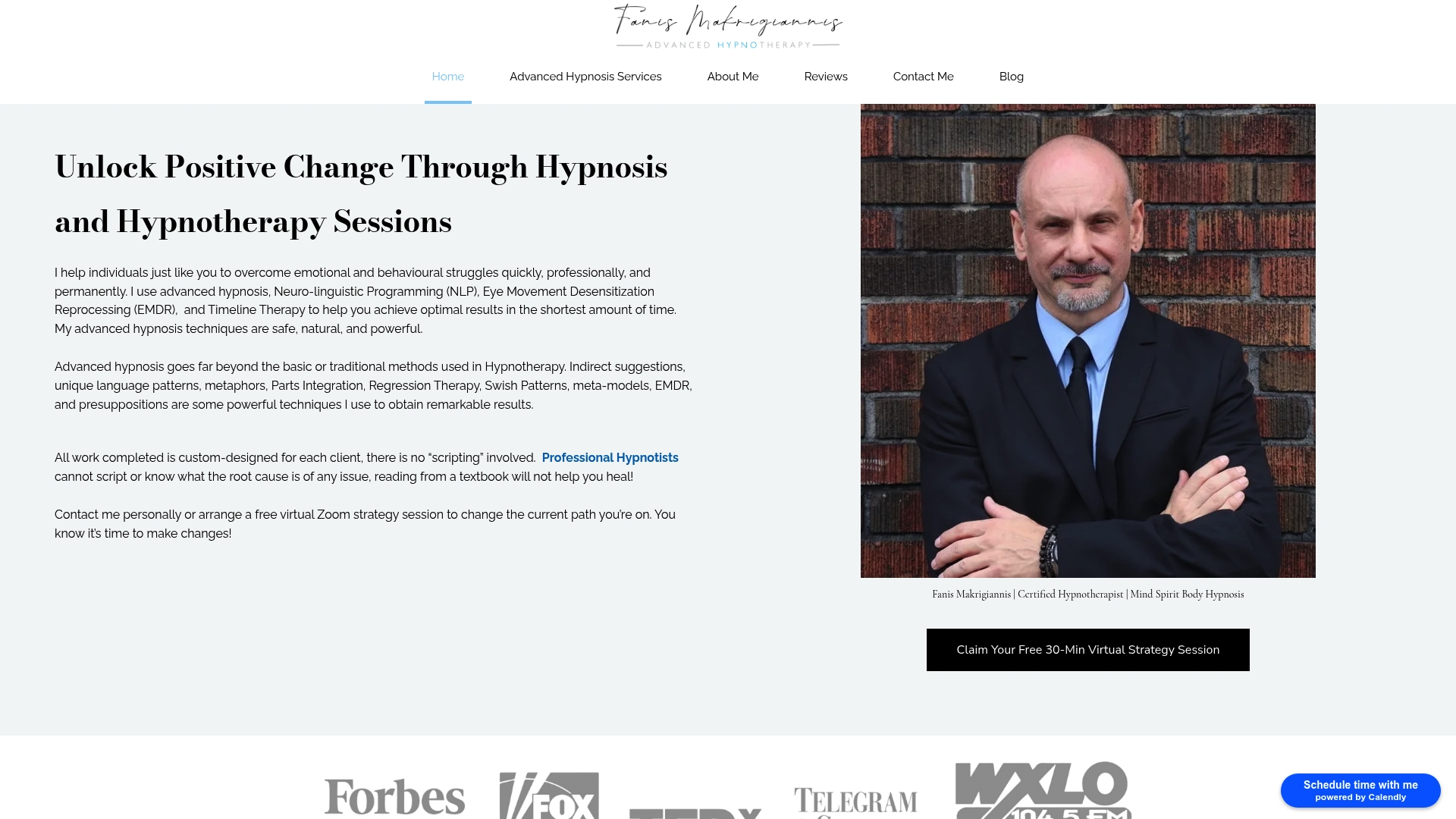
At Mind Spirit Body Hypnosis, every session is built around you. No scripts, no generic approaches. Just skilled, personalised hypnotherapy delivered via Zoom so you can access it from wherever you are. Our practitioners are trained in the most current, evidence-based methods, including NLP, EMDR, Timeline Therapy, and regression work. Book your online hypnotherapy sessions today and take the first step toward real, lasting change.
Frequently asked questions
Which hypnosis technique is best for emotional healing in 2026?
Ericksonian hypnosis and personalised single-session approaches are among the most effective, with a large effect size (SMD=1.17) confirmed in recent clinical meta-analyses.
Does hypnosis really work for stress relief?
Yes. Even a single personalised session has been shown to improve executive function and reduce measurable stress biomarkers, including heart rate variability and electrodermal activity.
Is hypnosis safe, or are there risks?
When practised by a certified hypnotherapist, hypnosis carries very few adverse effects. Most concerns stem from misconceptions about control loss, which education and a qualified practitioner can quickly address.
How effective is hypnosis for chronic pain?
Clinical hypnosis reduced chronic pain by 19.3% over six weeks in spinal cord injury patients and carries an endorsement from the American Psychological Association as an evidence-based intervention.