Overcoming phobias with hypnosis
Overcoming Phobias with Hypnosis •
The Science of Lasting Change
Hypnosis overcomes phobias by accessing the subconscious mind to rewrite the automatic fear response. By desensitizing the emotional triggers associated with a phobia, you can replace panic with a sense of calm and control.
Phobias are more than just "being afraid." They are intense, irrational fears that can shrink your world, making simple tasks like grocery shopping or boarding a plane feel impossible. While the conscious mind knows there is no immediate danger, the subconscious is stuck in a loop of "fight or flight."
In practice, I see clients who have tried everything, from avoidant behaviours to traditional talk therapy, only to find that their phobia remains stubbornly rooted. This is because phobias live in the limbic system, the part of the brain that manages emotions and survival instincts, rather than the logical prefrontal cortex.
The Science Behind the Shift
For a long time, hypnosis was viewed as a theatrical trick. Today, clinical hypnosis is recognized as a sophisticated neurological tool. According to the APA Monitor (April 2024), clinical hypnosis has shown clear benefits in psychotherapy by improving outcomes for various conditions, including severe anxiety and phobic disorders.
When you enter a hypnotic state, your brain waves shift into a "theta" state, which is associated with deep relaxation and heightened suggestibility. In this state, the brain becomes more plastic, meaning it is more capable of forming new neural pathways. By introducing new, positive associations while the body is deeply relaxed, we can "un-learn" the phobic response.
Dismantling the Myth: Is It Mind Control?
One of the biggest hurdles for people seeking lasting phobia relief is the fear of losing control. Let's clear this up: you are always in charge. Hypnosis is a collaborative process where you are guided into a state of focused attention. You cannot be "made" to do anything against your will. Think of it as a guided meditation with a very specific, therapeutic goal.
Targeting Specific Phobias
Different phobias require different "calibrations" of the hypnotic process. Here is how we address three of the most common fears.
1. Hypnotherapy for Agoraphobia
Agoraphobia, the fear of being in places where escape might be difficult, is often tied to a fear of panic itself. A ClinicalTrials.gov study (NCT03684577) investigated the efficacy of hypnotherapy for agoraphobia, highlighting its potential as a brief, high-impact intervention.
By using regression techniques, we can often find the "Initial Sensitizing Event" (ISE) where the fear first took root and neutralize the emotional charge. This helps the nervous system realize that the "threat" is no longer present. If you find yourself struggling with widespread panic, understanding how we address anxiety and fear is a great first step.
2. Public Speaking Anxiety Hypnosis
Fear of public speaking (glossophobia) is often rated higher than the fear of death. A landmark 2025 Public Speaking Case Study followed 50 professionals who utilized hypnosis to prepare for high-stakes presentations. The results showed a 45% reduction in salivary cortisol (the stress hormone) and a significant increase in self-reported "flow state" during speeches.
We often combine hypnosis with Neuro-Linguistic Programming (NLP) to "anchor" feelings of confidence to specific physical triggers, such as touching your thumb and forefinger together before you step on stage.
3. Fear of Flying Treatment
Aerophobia is a complex phobia because it involves a lack of control and a fear of heights or enclosed spaces. Using Timeline Therapy, we can mentally "travel" to future flights and rehearse them with a sense of peace.
Pro Tip: If you have a flight coming up, try practicing deep, rhythmic "box breathing" (inhale for 4, hold for 4, exhale for 4, hold for 4). This signals to your autonomic nervous system that you are safe, making the hypnotic suggestions even more effective.

How We Map the Subconscious
During a session, we don't just "talk" about the fear. We use advanced techniques to map out how your brain perceives the threat. This is essentially creating a new "internal map" for your mind to follow.
Our Take: The Strengths and Limitations
While overcoming phobias with hypnosis is highly effective, it is not a "magic wand."
Strengths: It works much faster than traditional talk therapy and addresses the root cause rather than just the symptoms.
Limitations: It requires a willing participant. If you are highly resistant or do not want to change, the results will be limited. It is also important to rule out underlying medical conditions with a physician first.
Practical Steps to Get Started
Identify the Trigger: Pinpoint exactly what sets off the fear (e.g., is it the height, or the lack of an exit?).
Commit to the Process: Most phobias require 3 to 6 sessions for permanent resolution.
Practice Self-Hypnosis: I often provide clients with audio "reinforcements" to listen to between sessions to solidify the new neural pathways.
FAQ: Common Questions About Phobia Hypnosis
How many sessions will I need?
While every individual is different, many clients experience a significant shift in just 1–3 sessions. Deep-seated phobias like agoraphobia may require 6–8 sessions for full resolution.
Will I remember the session?
Yes. You are not "under" or unconscious. You will be aware of everything that is said and done, and you will remember the session afterward.
What if I can't be hypnotized?
Almost everyone can be hypnotized, provided they are willing and have a basic ability to follow instructions. It is a natural state of mind we enter several times a day (like when you're "zoning out" while driving).
Can hypnosis help with "weird" or rare phobias?
Absolutely. The content of the phobia matters less than the process the brain uses to create the fear. Whether it's a fear of spiders or a fear of buttons, the neurological process is remarkably similar.
Final Thoughts
You don't have to live a life that is limited by fear. Whether it's the sky, the stage, or the supermarket, the freedom to move through the world without panic is possible. By leveraging the science of neuroplasticity and the depth of the subconscious mind, you can reclaim your confidence.
If you're ready to start your transformation, click here to claim your free 30-min virtual strategy session and let's discuss how we can help you move forward.
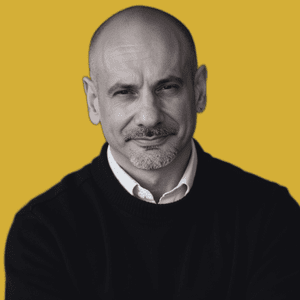
Written by Fanis Makrigiannis | Certified Hypnotherapist & NLP Master Practitioner | Mind Spirit Body Hypnosis
📅 Book your free 30-min virtual strategy session: calendly.com/mindspiritbodyhypnosis
📞 Call or text: 905-449-4166
📧 Email: mindspiritbodyhypnosis@gmail.com
🌐 Website: mindspiritbodyhypnosis.com
Mind Spirit Body Hypnosis
Oshawa, Durham Region, Ontario, Canada
Virtual sessions available across the GTA, Ontario & all of Canada.