NLP and hypnosis for lifetime confidence
How to Integrate NLP With Hypnosis for Confidence •
Integrating Neuro-Linguistic Programming (NLP) with self-hypnosis works by using the relaxed state of hypnosis to "install" specific cognitive shifts and behavioural patterns. By combining the deep focus of hypnosis with the targeted techniques of NLP, you can bypass conscious resistance and build sustainable, lifetime confidence from the inside out.
Confidence is a mental skill you can train. For many, "trying" to be confident feels like pushing a car uphill with the brakes on. You might tell yourself you are capable, but a deeper, subconscious part of your mind, the part that remembers every past failure, disagrees.
When you use self-hypnosis for confidence, you are effectively loosening those brakes. When you add NLP techniques for personal growth into that mix, you are giving your mind a high-performance GPS. Together, they create a powerful system for psychological empowerment that lasts long after a single session ends.
The Science of Mental Training for Success
In the past few years, the clinical community has shifted its view of these modalities from "alternative" to "evidence-based." In practice, I often see clients who have spent years in talk therapy without seeing a shift in their baseline confidence levels. This is often because talk therapy focuses on the conscious mind, while confidence lives in the subconscious.
A 2025 study published in BMC Nursing demonstrated that structured NLP-based interventions significantly improved psychological empowerment, with massive improvements in "competence" and "self-determination" (effect size d = 3.36). This suggests that when we give the brain specific "software updates" through NLP, the results are both measurable and significant.
Furthermore, a 2025 case study on NLP-Hypnosis integration for social phobia found that participants experienced a drastic reduction in social insecurity. By using anchoring and future pacing, individuals were able to navigate previously terrifying social situations with a newfound sense of calm.
Translating the Jargon: What is NLP?
Neuro-Linguistic Programming (NLP) sounds like a mouthful, but it is actually quite simple when you break it down:
Neuro: Refers to your nervous system: how you process information through your five senses.
Linguistic: Refers to the language (both verbal and non-verbal) you use to describe your reality.
Programming: Refers to the habits and patterns you have developed over time.
In plain English, NLP is the study of how your thoughts and words create your reality. If you constantly say "I'm not good at this," you are literally programming your nervous system to fail. By integrating NLP with self-hypnosis, you change the "language" of your subconscious.
3 Core NLP Techniques for Self-Hypnosis
To achieve mental training for success, you don't need a PhD. You only need to master a few specific tools while in a state of self-hypnosis.
1. Resource Anchoring
Anchoring is the process of linking a physical touch (like pressing your thumb and forefinger together) to a powerful emotional state (like total confidence).
How it works: When you are in a deep state of self-hypnosis and feeling a peak moment of confidence, you "set" the anchor by making a specific gesture.
The Result: Later, when you are in a boardroom or on a stage and feel a flicker of anxiety, you trigger that physical anchor to flood your system with calm.
2. The Swish Pattern
This technique is designed to replace an "old" mental image of yourself (hesitant, quiet) with a "new" image (assertive, relaxed).
The Process: You visualize the negative image shrinking and turning black and white, then suddenly "swishing" it away as the vibrant, confident image of your future self snaps into its place.
3. Reframing
Reframing changes the meaning of an event. Instead of seeing a "mistake" as a "failure," you reframe it as "valuable feedback." In self-hypnosis, you can revisit past events that damaged your confidence and re-examine them through a more empowered lens. This is a lighter version of what we do in Timeline Therapy, which entirely clears negative emotions from the past.
> Pro Tip: When setting an anchor, make it a unique gesture you don't do daily. A simple "OK" sign works, but pressing a specific spot on your wrist is often more distinct for the nervous system.

Step-by-Step: Integrating NLP Into Your Practice
If you are ready to build lifetime confidence, follow this simple sequence:
Induce the State: Start with your standard self-hypnosis induction (deep breathing or progressive muscle relaxation).
Invite the Resource: Recall a time when you felt 100% confident. Even if it was just for five seconds, magnify that feeling.
Apply the NLP Tool: While the feeling is at its peak, apply your anchor or perform your "Swish" visualization.
Future Pace: Imagine a future event where you previously lacked confidence. See yourself now handling it with ease.
Re-emerge: Count yourself back up to full awareness, feeling grounded and certain.
The digital age is making these practices even more accessible. A 2025 study in npj Digital Medicine highlighted how digital self-hypnosis tools are bridging the gap for those who cannot visit a clinic, showing that even app-delivered sessions can significantly improve self-efficacy and psychological well-being.
Our Take: The Power and the Limits
At Mind Spirit Body Hypnosis, I believe that while NLP and self-hypnosis are incredibly powerful, they are not magic wands. They are calibrated tools for the mind. Their strength lies in their ability to bypass the "critical factor" of the conscious mind: the part that says "I can't."
However, it is important to remember that these techniques work best when you are actually motivated to change. You cannot "hypnotize away" a lack of preparation or a toxic environment, but you can change how you react to them. The limitation of self-hypnosis is often the user’s consistency; just like the gym, the neural pathways for confidence require repetition to stay strong.
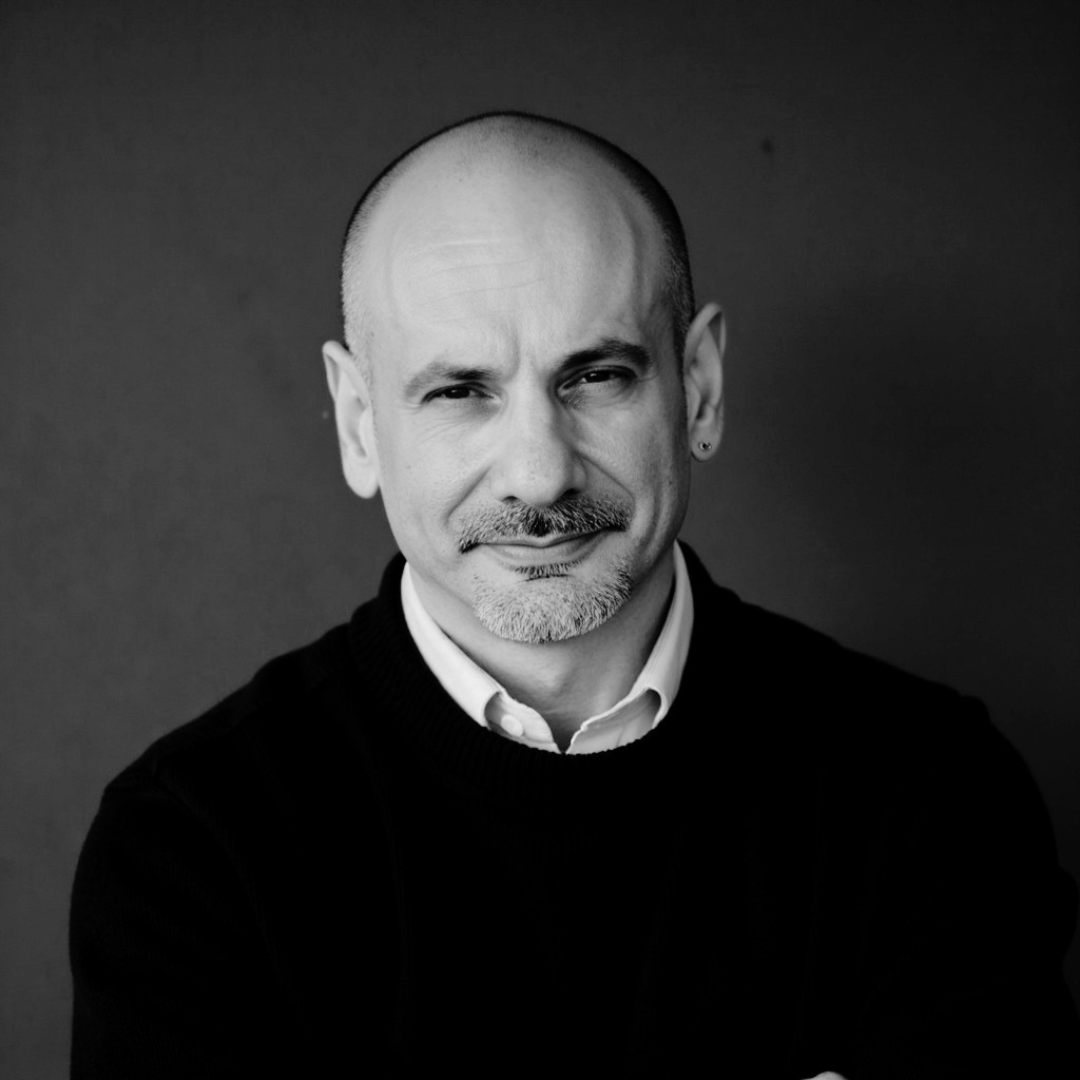
Fanis Makrigiannis C.Ht • Mind Spirit Body Hypnosis
Frequently Asked Questions
How long does it take to see results with NLP-hypnosis?
Many people feel a shift in their state immediately after the first session. However, for "lifetime confidence" that sticks during high-stress moments, most individuals benefit from 3-4 weeks of consistent daily practice to "hard-wire" the new mental patterns.
Can I do this wrong and accidentally anchor a bad feeling?
It is very difficult to "break" your brain. If you feel a negative emotion rising, simply stop the gesture and take a few deep breaths to reset. Anchoring requires a peak positive state to be effective, so if you aren't feeling it yet, just focus on the relaxation first.
Is self-hypnosis for confidence the same as positive affirmations?
No. Affirmations are conscious: you are speaking to your analytical mind. Self-hypnosis is subconscious: you are communicating with the part of your brain that controls your automatic reactions and emotions. Hypnosis is often far more effective because it addresses the root, not just the surface.
Do I need to be in a deep trance for NLP to work?
No. NLP techniques often work in a light "alpha" state of relaxation. You don't need to be "under" or unconscious. As long as you are focused and relaxed, the techniques can take hold.
Summary of Key Benefits
Speed: Shifting a mental state can take seconds once an anchor is set.
Durability: Reframing creates permanent shifts in how you view past and future challenges.
Autonomy: These are skills you can use anywhere, anytime, without needing a therapist present.
Confidence is a calibrated response to reality. By using these advanced mental training techniques, you stop being a passenger to your emotions and start being the driver of your own success.
If you are ready to take the next step toward permanent psychological empowerment, click here to claim your free 30-minute virtual strategy session and let's discuss how a custom-designed program can work for you.
Written by Fanis Makrigiannis | Certified Hypnotherapist & NLP Master Practitioner | Mind Spirit Body Hypnosis
📅 Book your free 30-min virtual strategy session: calendly.com/mindspiritbodyhypnosis
📞 Call or text: 905-449-4166
📧 Email: mindspiritbodyhypnosis@gmail.com
🌐 Website: mindspiritbodyhypnosis.com
Mind Spirit Body Hypnosis
Oshawa, Durham Region, Ontario, Canada
Virtual sessions available across the GTA, Ontario & all of Canada.