Hypnotherapy for alcohol reduction
Hypnotherapy for Alcohol Reduction in Ontario: Take Back Control •
TL;DR: If alcohol has quietly become your go-to for stress relief, relaxation, or getting through the week, willpower alone is rarely enough to change that because the pattern is driven by the subconscious, not by choice. At Mind Spirit Body Hypnosis in Oshawa, Ontario, hypnotherapy and NLP work directly with the emotional triggers and habits behind alcohol use to help adults across the province drink less or stop entirely. Who it helps: adult clients in Ontario who feel their drinking has crept up, is tied to stress or anxiety, or is harder to control than they would like. Book a free 30-minute virtual session at calendly.com/mindspiritbodyhypnosis.
Quick Answer
Hypnotherapy for alcohol reduction works by accessing the subconscious mind to identify and release the emotional triggers, habits, and beliefs that drive problematic drinking. Rather than relying on willpower or white-knuckling through cravings, hypnotherapy in Ontario helps rewire the automatic response to stress, social pressure, and emotional discomfort that leads to reaching for a drink. At Mind Spirit Body Hypnosis in Durham Region, virtual sessions are available province-wide for adults ready to change their relationship with alcohol from the inside out.
In This Article:
Why Cutting Back on Alcohol Is Harder Than It Should Be
The Emotional Triggers Behind Problem Drinking
Alcohol Reduction vs. Alcohol Addiction: An Important Distinction
How Hypnotherapy Addresses Alcohol Use at the Root
NLP Techniques That Interrupt the Drinking Pattern
What to Expect in a Session
What My Clients Say
FAQ
Book Your Free Consultation
Why Cutting Back on Alcohol Is Harder Than It Should Be
You tell yourself Sunday night that this week will be different. You will stick to two drinks on Friday, skip the wine with dinner, stop using the end of a hard day as an excuse to open a bottle.
And then Tuesday arrives. Work is stressful. The kids are loud. Your inbox is full. And before you have consciously decided anything, you are already pouring a glass.
That is not a lack of willpower. That is a subconscious pattern running faster than conscious thought.
Alcohol is the most commonly used substance in Ontario, and its harms are widely underestimated. According to the Canadian Centre on Substance Use and Addiction, alcohol is a leading contributor to preventable illness and injury in Canada, linked to over 200 disease and injury conditions (CCSA, 2023). Canada's updated low-risk drinking guidance, revised in 2023, now recommends no more than two standard drinks per week, a significant shift from previous guidelines that reflects a growing body of research on alcohol's health impact at lower consumption levels.
Yet despite this, drinking remains deeply normalized. It is woven into how we celebrate, decompress, socialize, and cope. For many adults, the habit has grown gradually and quietly until the point where cutting back feels genuinely difficult, not because they are addicted in a clinical sense, but because the subconscious has learned that alcohol is the solution to a wide range of emotional states.
Changing that requires more than a decision. It requires changing the program.
The Emotional Triggers Behind Problem Drinking
Most adults who drink more than they intend to are not drinking because they enjoy alcohol itself. They are drinking because alcohol reliably delivers something else: relief from anxiety, a buffer against stress, a way to feel present at social events, a reward at the end of a hard day, or a numbing of emotions that feel too large to sit with.
These are not character flaws. They are learned associations, built over years of pairing a difficult emotional state with a substance that temporarily changes it.
Common emotional triggers for problem drinking include:
Work stress and burnout
Social anxiety and fear of judgment
Loneliness or emotional disconnection
Chronic low-level anxiety that never fully settles
Boredom or a sense of emptiness
Difficulty switching off after a demanding day
Grief, loss, or unprocessed trauma
The pattern typically follows a predictable sequence: trigger fires, discomfort rises, the subconscious reaches for the learned solution, alcohol is consumed, temporary relief arrives, the trigger is reinforced as valid, and the cycle repeats.
Hypnotherapy interrupts this cycle at the subconscious level, not by removing the trigger, but by changing what the subconscious does in response to it. For more on how anxiety and stress drive compulsive coping patterns, the hypnotherapy for anxiety and stress page at Mind Spirit Body Hypnosis covers the underlying mechanisms in detail.
Alcohol Reduction vs. Alcohol Addiction: An Important Distinction
It is important to be clear about what hypnotherapy at Mind Spirit Body Hypnosis is best suited for, and where additional medical support is essential.
Alcohol reduction describes a pattern where a person drinks more than they want to, relies on alcohol to manage stress or emotions, and finds it difficult to stop despite wanting to, but does not meet the clinical criteria for alcohol use disorder (AUD) and is not physically dependent on alcohol.
Alcohol use disorder is a clinical condition involving physical dependence, withdrawal symptoms, and a loss of control over drinking that significantly impairs daily functioning. AUD requires medical supervision, and anyone experiencing physical withdrawal symptoms when they stop drinking should speak with a doctor before attempting to reduce or stop.
Hypnotherapy is most effective for adults in the reduction category, those who recognize that their drinking has become a habit, a crutch, or a pattern they no longer want, and who are looking for a subconscious-level approach to change it. It is used as a complementary tool alongside medical care for those with more complex presentations.
If you are unsure which category applies to you, the free 30-minute strategy session at Mind Spirit Body Hypnosis is a good place to start that conversation without any pressure or commitment.

How Hypnotherapy Addresses Alcohol Use at the Root
A study published in the Journal of Substance Abuse Treatment found that hypnotherapy was as effective as traditional counselling methods in reducing alcohol consumption, with the added benefit of addressing the subconscious emotional drivers that other approaches often leave untouched (Neufeld & Nash, 1980).
At Mind Spirit Body Hypnosis, alcohol reduction sessions follow a structured approach:
Trigger identification and mapping. Before trance work begins, sessions identify the specific emotional states, times of day, environments, and social situations that most reliably trigger the urge to drink. This creates a precise map of where the subconscious intervention needs to land.
Root cause regression. Many drinking patterns have a specific origin: a period of high stress, a relationship breakdown, a time in life when alcohol became the primary coping tool. Regression work locates that origin, releases the emotional charge attached to it, and updates the subconscious record so it is no longer running the old solution to an old problem.
Craving interruption. Using guided suggestion and NLP techniques, the automatic urge to drink in response to a trigger is interrupted and redirected. The subconscious is given an alternative response, a different way to meet the need that alcohol was previously serving.
New identity installation. One of the most powerful aspects of hypnotherapy for alcohol reduction is identity-level work. Many people who drink habitually have a subconscious identity that includes drinking as part of who they are. Shifting that identity from "someone who needs a drink to relax" to "someone who feels calm and in control without it" produces lasting change that willpower cannot replicate.
Future pacing. The subconscious is walked through vivid, fully sensory scenes of the person navigating their trigger situations confidently without reaching for alcohol at the Friday work event, at the end of the hard day, at the social gathering, filing these scenes as memory so the new response becomes the brain's default.
NLP Techniques That Interrupt the Drinking Pattern
NLP offers practical, fast-acting tools for dismantling the subconscious architecture of alcohol habits. At Mind Spirit Body Hypnosis, these are integrated into sessions alongside hypnotherapy for a more complete result.
Anchoring. A calm, settled, resourceful state experienced during trance is anchored to a physical cue the client can activate independently. When a trigger fires in daily life, the anchor provides an immediate alternative to the drinking response.
Submodality work. The internal representation of the urge to drink the images, sounds, and feelings that make up the craving experience has a structure. Submodality work changes that structure, making the craving smaller, more distant, and less compelling.
Parts integration. Most people who drink more than they want to are caught between two internal parts: the part that wants to drink and the part that desperately wants to stop. NLP parts integration aligns these conflicting drives, resolving the internal conflict that makes change so exhausting.
The Swish Pattern. A rapid NLP technique that replaces the automatic reach-for-a-drink response with a new, chosen response. Particularly effective for the habitual evening drinking pattern that fires before a conscious decision is made.
For a broader look at how NLP addresses habit patterns across different areas of life, the hypnotherapy for habits and addictions pillar page covers the full clinical approach.
What to Expect in a Session
The first session begins with a detailed conversation. What does the drinking pattern look like for you? What triggers it? What have you already tried? What does drinking give you that you want to keep having access to through other means?
This last question is important. Hypnotherapy for alcohol reduction is not about taking something away. It is about finding a better way to meet the same need for calm, for connection, for reward, for relief so that alcohol stops being the only tool available.
From there, the induction guides you into a deeply relaxed trance state. Most clients describe it as the most relaxed they have felt in months. The subconscious work follows, tailored specifically to the triggers and patterns identified in the conversation.
Most alcohol reduction programs at Mind Spirit Body Hypnosis run between four and six sessions. All sessions are delivered virtually, available to adults across Ontario from the privacy of their own home, which is particularly valuable for a topic many people find difficult to discuss in person.
What my clients say:
"I absolutely recommend Mind Spirit Body Hypnosis. Fanis is a highly skilled professional who cares about his clients well being. He brings everything he has to each session and he helped me heal some very long standing issues. Things are easier now and I have new and very useful resources. Many Thanks Fanis !"
— Robert H.
FAQ
Can hypnotherapy really help me drink less? Yes. Hypnotherapy addresses the subconscious triggers and emotional associations driving the habit, producing changes that willpower-based approaches rarely sustain. Research supports its use as an effective complementary approach for reducing alcohol consumption.
What triggers alcohol cravings? Cravings are most commonly triggered by emotional states, such as stress, anxiety, loneliness, and boredom, rather than by physical dependence alone. Hypnotherapy works with the subconscious to change the automatic response to these triggers.
Is hypnotherapy suitable if I am physically dependent on alcohol? Physical alcohol dependence requires medical supervision before any reduction or cessation attempt. Hypnotherapy is most appropriate for adults who are not physically dependent but are struggling with habitual or emotionally driven drinking. If you are unsure, please consult your doctor first.
How many sessions will I need? Most clients complete four to six sessions. The timeline depends on the depth of the habit, the emotional drivers involved, and whether there are underlying anxiety or trauma patterns contributing to the drinking.
Does NLP help with alcohol cravings specifically? Yes. NLP tools like submodality work, anchoring, and the Swish Pattern are particularly effective for interrupting the automatic craving response in the moment, making them valuable between sessions as well as during them.
Can I do sessions virtually from anywhere in Ontario? Yes. All sessions at Mind Spirit Body Hypnosis are delivered virtually, available province-wide. Many clients find the privacy of their own home makes it easier to speak openly about their drinking pattern.
What if I have tried to cut back before and failed? Previous attempts that did not work usually targeted the conscious mind decisions, rules, counting drinks. Hypnotherapy works at the subconscious level where the habit actually lives, which is why it produces results that conscious effort alone has not.
Will I be able to drink socially after treatment? This depends on your goals. Some clients aim for complete cessation; others want to return to genuinely controlled, occasional drinking. Sessions are tailored to your specific goal. Both outcomes are achievable through subconscious-level work.
Is hypnotherapy confidential? Yes. All sessions at Mind Spirit Body Hypnosis are fully confidential. Virtual delivery also means no one sees you entering a clinic or waiting room.
How do I get started? Book a free 30-minute virtual strategy session at calendly.com/mindspiritbodyhypnosis. No referral needed. The first conversation is simply a chance to talk through your situation and whether hypnotherapy is the right fit.
Book Your Free Consultation
If alcohol has become less of a choice and more of a habit you are ready to change, you do not have to rely on willpower alone.
At Mind Spirit Body Hypnosis in Oshawa, Ontario, virtual hypnotherapy and NLP sessions are available across the province, helping adults rewire the subconscious patterns behind alcohol use quietly, privately, and from the comfort of home.
Book your free 30-minute virtual strategy session:
Phone: 905-449-4166
Website: mindspiritbodyhypnosis.com
Disclaimer: Hypnotherapy and NLP are complementary approaches and are not a substitute for medical or psychiatric care. Anyone experiencing physical alcohol dependence should consult a qualified healthcare provider before attempting to reduce or stop drinking. If you are experiencing a medical or mental health emergency, please contact a qualified healthcare provider or call 911. Results vary by individual.
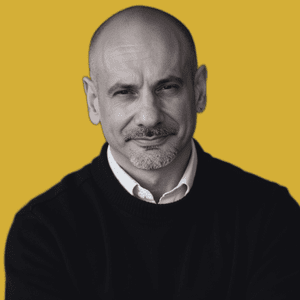
Written by Fanis Makrigiannis | Certified Hypnotherapist & NLP Master Practitioner | Mind Spirit Body Hypnosis