How to train your brain to stop craving sugar
Hypnotherapy for Sugar Addiction in Ontario: Break the Sweet Cycle for Good
TL;DR: Sugar addiction is not a lack of discipline. It is a subconscious habit reinforced by dopamine, emotional triggers, and years of learned associations between sugar and comfort, reward, or relief. At Mind Spirit Body Hypnosis in Oshawa, Ontario, hypnotherapy and NLP work directly with the subconscious patterns driving sugar cravings, helping clients of all ages across the province rebuild a healthier, more conscious relationship with food. Who it helps: anyone 10 years and older in Ontario who finds sugar difficult to control, uses sweets to manage emotions, or cycles between restriction and bingeing. Book a free 30-minute virtual session at calendly.com/mindspiritbodyhypnosis.
Quick Answer
Sugar addiction is a behavioural and neurochemical pattern in which the brain learns to rely on sugar for dopamine release, and the subconscious develops automatic cravings in response to emotional triggers such as stress, boredom, fatigue, or low mood. Hypnotherapy in Ontario addresses sugar addiction by rewiring the subconscious associations driving cravings, releasing the emotional triggers behind them, and installing new, healthier automatic responses to the situations that previously led to reaching for sugar. At Mind Spirit Body Hypnosis in the Durham Region, virtual sessions are available across Ontario for clients ready to take back control of their relationship with food.
In This Article:
Is Sugar Addiction Real?
For a long time, the idea of sugar addiction was dismissed as an exaggeration. A sweet tooth, not a dependency. But the research tells a different story.
Studies have shown that sugar activates the same reward pathways in the brain as substances like cocaine and alcohol, triggering a release of dopamine in the nucleus accumbens, the brain's pleasure centre, that reinforces the behaviour and drives repeated consumption. A landmark review published in the British Journal of Sports Medicine found that sugar can produce behavioural and neurochemical changes consistent with addiction, including bingeing, craving, tolerance, and withdrawal-like effects (DiNicolantonio et al., 2018).
In Canada, added sugar consumption remains significantly above the recommended daily intake for most age groups. Health Canada recommends that free sugars make up no more than 10 percent of total daily energy intake, yet surveys consistently show that Canadians, particularly children and adolescents, consume far more than this threshold (Health Canada, 2023).
The challenge is that sugar addiction is rarely just about sugar. It is about what sugar does: how it relieves stress, fills emotional gaps, provides a moment of pleasure in an overwhelming day, or serves as the reward at the end of a hard week. These associations are subconscious, automatic, and deeply ingrained. And they are exactly what hypnotherapy is designed to address.
What Causes Sugar Cravings?
Sugar cravings have both neurochemical and psychological roots, and understanding both is important for lasting change.
Neurochemically, the brain learns quickly that sugar produces a rapid dopamine spike. Over time, this creates a feedback loop: the brain anticipates the reward and generates a craving in advance of any actual need for energy. The more frequently sugar is used to produce this effect, the more reliably the craving fires, and the more sugar is needed to produce the same level of satisfaction.
Psychologically, sugar cravings are almost always tied to emotional states. Research published in Appetite found that individuals with high levels of emotional eating were significantly more likely to report uncontrollable sugar cravings, particularly in response to stress, negative mood, and fatigue (Konttinen et al., 2010). The subconscious has learned that sugar is a reliable solution to emotional discomfort, and it reaches for that solution automatically before the conscious mind has had a chance to make a different choice.
Common craving triggers include:
Stress and work pressure
Fatigue or poor sleep
Boredom or emotional flatness
Anxiety or low mood
Habitual associations such as sugar after dinner, sweets at the movies, or treats as a reward
Social situations where sugar is present, and refusal feels difficult
The Emotional Triggers Behind Sugar Use
For many clients, sugar is less about taste and more about function. It is what they reach for when the day has been too much, when the loneliness is too loud, when the anxiety needs something to land on.
This is not weakness. It is a learned coping pattern, often established in childhood, where food in general and sweets in particular were associated with comfort, celebration, reward, or soothing. The subconscious files these associations early and runs them reliably for decades.
Common emotional patterns behind sugar dependency include:
Sugar as comfort. Used to soothe distress, loneliness, or sadness. The subconscious learned early that something sweet made difficult feelings temporarily bearable.
Sugar as reward. Used to mark the end of effort, stress, or obligation. The pattern of earning sugar creates a strong subconscious link between achievement or endurance and sweet food.
Sugar as numbing. Used to dull emotional pain, boredom, or a sense of emptiness. The dopamine spike provides temporary relief from feelings the person does not have other tools to process.
Sugar as social glue. In environments where sharing food is central to connection, declining sugar can feel like refusing belonging. The subconscious associates sugar with safety and acceptance in social contexts.
For more on how emotional eating patterns develop and how subconscious work addresses them, the hypnotherapy for weight loss and emotional eating page at Mind Spirit Body Hypnosis covers the overlapping mechanisms in detail.

How Hypnotherapy Rewires Sugar Cravings at the Root
At Mind Spirit Body Hypnosis, sugar addiction sessions are structured around the specific emotional triggers and subconscious associations driving each client's craving pattern. The approach is precise, not generic.
Craving interruption and reframing. In trance, the subconscious association between emotional triggers and the sugar craving is identified and disrupted. New associations are installed: stress can be met with calm, boredom with genuine interest, fatigue with rest. The craving loses its automatic quality because the trigger is no longer wired to the same response.
Root cause regression. When sugar use traces back to a specific early experience or pattern, regression work revisits the origin, releases the emotional charge attached to it, and updates the subconscious record. The conclusion that sugar is the solution to emotional discomfort is replaced with one that is accurate and empowering.
Aversion and satisfaction work. Using guided suggestion during trance, the subconscious can develop a new relationship with sugar: one in which very small amounts satisfy completely, or in which the appeal of sugar simply diminishes naturally without effort or restriction. This is not about deprivation. It is about changing the internal relationship so that the craving no longer holds the same power.
Identity installation. Many clients who struggle with sugar have a subconscious identity that includes being someone who cannot resist sweets. Shifting that identity at the subconscious level, from someone who struggles with sugar to someone who simply does not need it, produces a more stable and lasting result than behaviour-based strategies alone.
Future pacing. The subconscious is walked through vivid, sensory scenes of the client moving through their typical trigger situations without reaching for sugar, feeling calm, satisfied, and in control. These scenes are filed as expected memory, making the new pattern feel natural rather than forced.
NLP Techniques That Interrupt the Craving Cycle
NLP offers targeted tools for dismantling the internal structure of food cravings quickly and effectively. At Mind Spirit Body Hypnosis, these are integrated into every session.
Submodality work on cravings. The internal experience of a sugar craving has a specific structure: a location in the body, a colour, a size, a pull toward something. Submodality work changes that structure, making the craving smaller, more distant, and far less compelling. Many clients are surprised by how rapidly this reduces the urgency of the craving response.
The Swish Pattern. A rapid technique that interrupts the automatic reach-for-sugar response and replaces it with a chosen alternative. Particularly effective for habitual sugar use that fires before conscious awareness, such as automatically reaching for biscuits with tea or chocolate after dinner.
Parts integration. Most people struggling with sugar addiction have an internal conflict: one part that craves sugar and another that desperately wants to stop. NLP parts integration brings these into alignment so the internal tug of war is resolved and the person is no longer fighting themselves at every meal.
Anchoring a satisfied state. A deeply satisfied, nourished, and complete feeling experienced during trance is anchored to a physical cue. The client can activate this anchor independently when a craving fires, providing an immediate alternative to the sugar response.
For more on how NLP is used at Mind Spirit Body Hypnosis, the about page covers the full clinical approach and credentials in detail.
What to Expect in a Session
The first session begins with a conversation. When do the cravings hit hardest? What emotions or situations trigger them? Is sugar being used to cope, to reward, or to numb? What has already been tried, and why did it not last?
This mapping shapes the subconscious work that follows. The induction is gentle, and most clients reach a deeply relaxed state within minutes. The core work then targets the specific triggers, emotional associations, and identity patterns identified in the conversation.
Most sugar addiction programs at Mind Spirit Body Hypnosis run between three and six sessions. Some clients notice a significant reduction in cravings after the first session. Others with more deeply embedded emotional eating patterns benefit from a longer course of work.
All sessions are delivered virtually, available to clients of all ages across Ontario from the comfort of their own home. For more on the virtual process, the virtual hypnotherapy Ontario page covers everything before you book.
What My Clients Say
"You will see results when you come see Fanis! He got me to stop eating cookies, especially Oreo cookies. Oreo cookies were like CRACK to me. I would easily buy 2 or 3 packs and finish them all by the same day! Thank goodness Fanis helped me. My weight went down and I'm still losing weight. Thanks Fanis for all your help!"
Lanre O. | Weight Loss | Five Stars
FAQ
Is sugar addiction real? Yes. Research shows that sugar activates the same dopamine reward pathways in the brain as addictive substances, producing behavioural patterns consistent with addiction, including craving, bingeing, tolerance, and withdrawal-like effects. Health Canada guidelines acknowledge the health risks of excess sugar consumption across all age groups.
What causes sugar cravings? Sugar cravings have both neurochemical and emotional roots. The brain learns to anticipate dopamine release from sugar and generates cravings in advance. Emotionally, the subconscious has typically learned to associate sugar with comfort, reward, or relief from stress, and reaches for it automatically when those emotional states arise.
Can hypnotherapy help with sugar addiction? Yes. Hypnotherapy works directly with the subconscious patterns driving sugar cravings, interrupting the automatic craving response, releasing emotional triggers, and installing new associations between emotional states and healthier responses.
What is the best way to stop sugar addiction? Approaches that address the subconscious emotional drivers of sugar use, including hypnotherapy and NLP, produce more lasting results than restriction-based strategies alone, because they change the internal relationship with sugar rather than relying on ongoing willpower to resist it.
How does sugar affect the brain? Sugar triggers a dopamine release in the brain's reward centre, producing a pleasurable sensation that reinforces repeated consumption. Over time, the brain adapts, requiring more sugar to produce the same effect and generating cravings when the substance is absent, similar to the mechanism seen in other addictive substances.
Does NLP help with food cravings? Yes. NLP techniques, including submodality work, the Swish Pattern, and parts integration, are particularly effective for interrupting the automatic craving response and changing the internal structure of the habit quickly and practically.
How many sessions will I need? Most clients at Mind Spirit Body Hypnosis working on sugar addiction complete three to six sessions. Simpler presentations with clear trigger patterns often resolve faster. Clients with deeper emotional eating patterns or long-standing habits may benefit from a longer program.
Is this suitable for younger clients? Yes. Mind Spirit Body Hypnosis works with clients aged 10 and older. Hypnotherapy is a safe and gentle approach for younger clients and can be particularly effective for establishing healthier relationships with food early in life.
Can I do sessions virtually from anywhere in Ontario? Yes. All sessions at Mind Spirit Body Hypnosis are delivered virtually, province-wide, with no referral required.
How do I get started? Book a free 30-minute virtual strategy session at calendly.com/mindspiritbodyhypnosis. No referral needed. The first conversation is simply a chance to discuss what is happening and whether hypnotherapy is the right fit.
Book Your Free Consultation
If sugar has quietly become something you reach for without thinking, something that feels harder to control than it should, that is not a willpower problem. It is a subconscious pattern. And it can change.
At Mind Spirit Body Hypnosis in Oshawa, Ontario, virtual hypnotherapy and NLP sessions are available across the province, Canada, and the United States for clients aged 10 and older, helping people of all ages rebuild a healthy, conscious relationship with food.
Book your free 30-minute virtual strategy session:
Phone: 905-449-4166
Website: mindspiritbodyhypnosis.com
Disclaimer: Hypnotherapy and NLP are complementary approaches and are not a substitute for medical or dietary care. If you have a medical condition affected by sugar consumption, including diabetes or other metabolic conditions, please consult a qualified healthcare provider before making dietary changes. Results vary by individual.
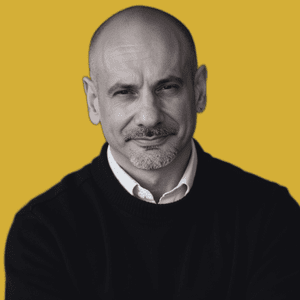
Written by Fanis Makrigiannis | Certified Hypnotherapist & NLP Master Practitioner | Mind Spirit Body Hypnosis