Can hypnotherapy help with addictions?
Can Hypnotherapy • Help with Addictions?
Clinical hypnotherapy can help with addictions by accessing the subconscious mind to rewire the automatic thoughts and emotional triggers that drive substance use. It works by replacing old, harmful patterns with new, healthier associations, making it a powerful tool for long-term recovery when used alongside professional support.
The Subconscious Grip of Addiction
If you have ever tried to break a habit, you know how hard it feels. You might start the day with a strong "no," only to find yourself reaching for a cigarette or a drink by sunset. This is because addiction isn't just a physical craving; it is a subconscious program.
Your subconscious mind is like an autopilot. It stores your memories, emotions, and habits. When you feel stressed, your autopilot might tell you that a certain substance is the only way to feel better. Even when you know it's bad for you, the "autopilot" stays in control.
In practice, we see that most people aren't lacking willpower. They are simply fighting a battle against their own internal programming. Hypnotherapy helps you step into the "control room" of your mind. By doing so, you can update those old programs and create a science-backed guide to quit smoking or other habits that no longer serve you.
Why Willpower Isn't Enough
Willpower lives in the conscious mind. This part of your brain handles logic, planning, and short-term focus. The problem is that the conscious mind is easily tired. When you are hungry, angry, lonely, or tired (often called HALT), your willpower drains away.
The subconscious, however, never sleeps. It is the part of you that keeps your heart beating and your lungs breathing. If your subconscious believes that smoking helps you relax, it will fight your conscious "logic" every single time.
To truly break free, you need to align your conscious goals with your subconscious beliefs. This is where advanced techniques like Neuro-Linguistic Programming (NLP) come in. These tools allow you to stop overthinking using NLP and shift how your brain perceives the addiction.
> Pro Tip: When a craving hits, try a "pattern interrupt." Change your physical location, drink a glass of ice-cold water, or do five deep breaths. This briefly breaks the subconscious loop and gives your conscious mind a chance to step back in.
The Clinical Evidence: The 2024 Study
For years, people wondered if hypnosis was just "magic." Today, science shows it is a legitimate clinical tool. A major 2024 randomized controlled trial published in Frontiers in Psychology compared group hypnotherapy (HT) to Cognitive Behavioural Therapy (CBT) for smoking cessation.
The results were eye-opening. The researchers followed 360 smokers for a full year. They found that hypnotherapy was just as effective as CBT for long-term, continuous abstinence. Specifically:
Success Rates: Both groups saw about a 15% rate of total, verified abstinence after 12 months.
Reliability: Hypnotherapy matched the "gold standard" of traditional talk therapy for long-term results.
Individual Fit: The study noted that for those who are highly suggestible, hypnotherapy may even have an edge in comfort and ease of use.

Social Media Addiction and Behavioural Control
Addiction is not limited to substances. It can also show up as compulsive scrolling, repeated checking, and a reduced sense of control over your own behaviour. A 2024 study in Discover Psychology by Sugara and Fadhilah looked at hypnotic-oriented counselling for adolescents with severe social media addiction.
This was a small A-B-A single-case study, so it does not carry the same weight as a large randomized trial. Still, the findings were clinically interesting:
Symptom reduction: Both participants showed significant drops in social media addiction scores during and after treatment.
Better self-control: The intervention was linked to improved behavioural control, less anxiety when offline, and healthier daily routines.
Practical relevance: The counselling model used direct suggestion, parts therapy, anchoring, and self-hypnosis skills to help bridge the gap between impulse and choice.
Food Impulsivity and the Knowing-Doing Gap
This same pattern shows up with food-related habits. The HYPNODIET randomized clinical trial found that hypnosis reduced food impulsivity and eating disinhibition in adults with obesity who struggled with loss of control around food. In plain English, it helped close the gap between knowing what to do and actually doing it in the moment that mattered.
That matters because a lack of information does not drive many habit loops. They are driven by automatic behaviour under stress, in response to craving, or during emotional overload.
This proves that hypnotherapy is not just a "nice to have" option. It is a valid, evidence-based choice for anyone looking to reclaim their health and rewire their relaxation response without relying on old substances.
Advanced Techniques for Lasting Change
At Mind Spirit Body Hypnosis, we don't use generic scripts. Every person’s struggle is unique. We use a combination of advanced methods to ensure the change is permanent.
Regression Therapy
Often, an addiction is a "solution" to a past problem. For example, you might have started smoking as a teenager to feel "safe" or "cool" in a scary environment. Regression helps us find the moment that the belief was formed and update it with the wisdom you have now.
Parts Integration
Have you ever felt like part of you wants to quit, but another part of you wants to keep going? This internal conflict is common. Parts Integration helps these two "sides" of your mind talk to each other and find a common goal, like health and freedom.
Neuro-Linguistic Programming (NLP)
NLP looks at the "language" of your mind. We can change the "coding" of your thoughts so that the sight of a drink or a cigarette no longer triggers a craving, but instead triggers a feeling of indifference or even mild dislike.
Role of the Expert
Choosing the right guide is essential for success. You want someone who understands the nuances of human behaviour and the clinical application of these tools.
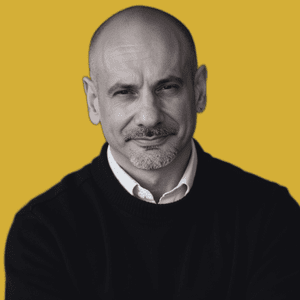
Fanis Makrigiannis, Certified Hypnotherapist
With years of experience in advanced hypnotherapy and NLP, Fanis specializes in custom-designed sessions. He focuses on achieving results in the shortest time possible, helping clients move past addictions without the "white-knuckle" struggle of willpower alone.
Award-Winning Care
Our commitment to excellence has been recognized by industry leaders, ensuring you receive the highest standard of professional care.
Perspective: Our Take on Hypnosis and Addiction
While the 2024 clinical evidence is strong, it is important to be realistic. Hypnotherapy is not a "magic wand" that works while you sleep. It is a collaborative process.
Strength: It excels at removing the emotional "need" for a substance and breaking the automatic habit.
Limitation: It is most effective for those who are truly motivated to change. If you are only doing it because someone else told you to, your subconscious may resist the process.
In our view, hypnotherapy is most powerful when it is the final piece of the puzzle, turning "I should quit" into "I am done."
FAQ: Frequently Asked Questions
Does hypnosis work for everyone?
Most people can be hypnotized to some degree. The key is being open to the process. The 2024 study showed that while suggestibility varies, many people see significant benefits regardless of their "level" of hypnotizability.
How many sessions will I need?
This depends on the individual and the addiction. Because we use customized, non-scripted sessions, many clients see a massive shift in just 2 to 4 sessions.
Will I lose control during the session?
No. You are always in control. Hypnosis is a state of focused attention, much like being "in the zone" while reading a good book. You cannot be forced to do anything against your will or values.
Can it help with more than just smoking?
Yes. Clinical hypnotherapy is used for a wide range of habits, including sugar addiction, nail-biting, alcohol reduction, and even screen addiction.
Take the Next Step
Breaking an addiction doesn't have to be a lifelong struggle. By working with your mind instead of against it, you can find freedom faster than you thought possible.
If you're ready to start your transformation, click here to claim your free 30-min virtual strategy session.
Recommended
Written by Fanis Makrigiannis | Certified Hypnotherapist & NLP Master Practitioner | Mind Spirit Body Hypnosis
📅 Book your free 30-min virtual strategy session: calendly.com/mindspiritbodyhypnosis
📞 Call or text: 905-449-4166
📧 Email: mindspiritbodyhypnosis@gmail.com
🌐 Website: mindspiritbodyhypnosis.com
Mind Spirit Body Hypnosis
Oshawa, Durham Region, Ontario, Canada
Virtual sessions available across the GTA, Ontario & all of Canada.