Can hypnosis help you quit smoking for good?
Can Hypnosis Help You Quit Smoking • for Good?
Yes, clinical hypnosis helps you quit smoking by retraining the subconscious triggers that drive the urge to light up, making it significantly more effective than willpower alone. Recent 2024 research confirms that hypnotherapy is comparable to Cognitive Behavioural Therapy (CBT) in long-term success rates, specifically by lowering food impulsivity and stress-related cravings.
Most people who try to quit smoking rely on "willpower." Unfortunately, willpower is a function of the conscious mind, which only accounts for a small fraction of our daily behaviour. The true "engine" behind the smoking habit resides in the subconscious. This is why you might consciously want to quit for your health, but still find your hand reaching for a cigarette during a stressful moment.
The 2024-2025 Evidence: What the Science Says
For years, skeptics viewed hypnosis as a "fringe" approach. However, recent high-quality clinical trials have shifted the conversation toward professional hypnotherapy as a primary tool for cessation.
A landmark 2024 Frontiers in Psychology study compared hypnotherapy (HT) directly to the "gold standard" of treatment: Cognitive Behavioural Therapy (CBT). The researchers found that hypnotherapy was just as effective as CBT in achieving continuous abstinence over 12 months. Essentially, the "trance-induced focus" helped participants connect their emotional experiences with their daily lives, making the transition to a smoke-free life much smoother.
Furthermore, a 2025 systematic review revealed that 66.7% of modern studies reported positive outcomes for smoking cessation using hypnotic techniques. This suggests that the majority of clinical settings are seeing real, measurable success.
For those who smoke primarily due to stress, a 2024 Medical Forum study highlighted how Cognitive Behavioural Hypnotherapy (CBHT) significantly helped anxiety-prone smokers. In this trial, participants nearly halved their daily cigarette count while simultaneously lowering their overall anxiety scores by an average of 9 points.
Beyond Willpower: Why Habits Live in the Subconscious
If quitting smoking were as simple as "knowing it's bad for you," no one would smoke. The difficulty lies in the subconscious habit loop. Your brain has created "anchors": mental links between specific actions and the hit of nicotine.
Common anchors include:
Drinking a cup of coffee.
Driving to work.
Feeling a sudden spike in stress.
Ending a meal.
In practice, hypnotherapy works by entering a state of "calibrated focus." In this state, we can uncouple these anchors. Instead of your brain screaming "stress equals cigarette," we recalibrate the response to "stress equals a deep breath and a sense of calm."
This process addresses the root emotional triggers that often lead to relapse. When you address the anxiety and cravings at their source, you no longer feel like you are "giving something up." Instead, you feel like you are gaining your freedom back.
Pro Tip: Replacing the Anchor
When a craving hits, your brain is looking for a shift in state. Instead of reaching for a smoke, try a "Micro-Meditation." Close your eyes, take three slow breaths, and imagine the feeling of clean air filling your lungs. This small act begins to build a new, healthy subconscious anchor.

Why Some Quitters Struggle (and How to Succeed)
It is important to dismantle the myth that hypnosis is a "magic wand." You cannot be "forced" to quit if you don't actually want to. Hypnotherapy is a powerful amplifier for your own intent. It takes the 10% of your conscious desire and aligns it with the 90% of your subconscious power.
Many people fear they will trade one bad habit for another. For example, "Will I start overeating if I stop smoking?" This is a common concern. However, by using specific protocols to break bad habits holistically, we ensure that the void left by smoking is filled with healthy, sustainable behaviours rather than impulsivity.
Our Perspective: The Strengths and Limitations
Hypnotherapy is highly effective because it is customized. Unlike a generic nicotine patch, professional hypnosis sessions are tailored to your specific triggers and history.
However, its limitation is that it requires active participation. You are not a passive observer; you are the architect of your own change. For the best results, you should be ready to engage with the process and follow through with any "mental homework" provided by your practitioner.
Pro Tip: The 3-Minute Pause
Cravings usually peak and then fade within three minutes. When the urge arises, set a timer for 180 seconds. Focus entirely on a neutral task, like counting the tiles on the floor or naming five things you can see. Once the timer goes off, you’ll likely find the intensity has dropped significantly.
Frequently Asked Questions
What if I've smoked for 30 years?
Length of time does not dictate the success of hypnosis. The subconscious mind can "re-map" a habit relatively quickly once the right emotional leverage is found. Your 30-year habit is just a deeply ingrained neural pathway that can be diverted.
Are there side effects to hypnotherapy?
Unlike medications, there are no chemical side effects. Most clients report feeling a sense of deep relaxation and improved sleep after their sessions. It is a non-invasive, drug-free approach.
Will I gain weight if I quit using hypnosis?
Not necessarily. Clinical sessions often include suggestions to maintain a balanced metabolism and to find satisfaction in movement and healthy hydration. We focus on the "why" of the habit so you don't feel the need to replace cigarettes with snacks.
Taking the Next Step
The science of 2024 makes it clear: you don't have to fight this battle with willpower alone. By leveraging the same clinical techniques used in top research universities, you can silence the "background noise" of cravings and finally breathe freely.
If you're ready to breathe freely and finally break the habit that's been holding you back, click here to claim your free 30-min virtual strategy session.
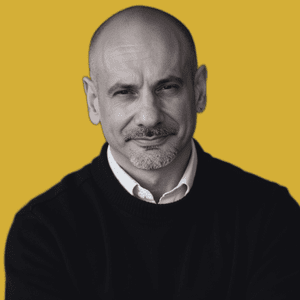
Written by Fanis Makrigiannis | Certified Hypnotherapist & NLP Master Practitioner | Mind Spirit Body Hypnosis
📅 Book your free 30-min virtual strategy session: calendly.com/mindspiritbodyhypnosis
📞 Call or text: 905-449-4166
📧 Email: mindspiritbodyhypnosis@gmail.com
🌐 Website: mindspiritbodyhypnosis.com
Mind Spirit Body Hypnosis
Oshawa, Durham Region, Ontario, Canada
Virtual sessions available across the GTA, Ontario & all of Canada.